
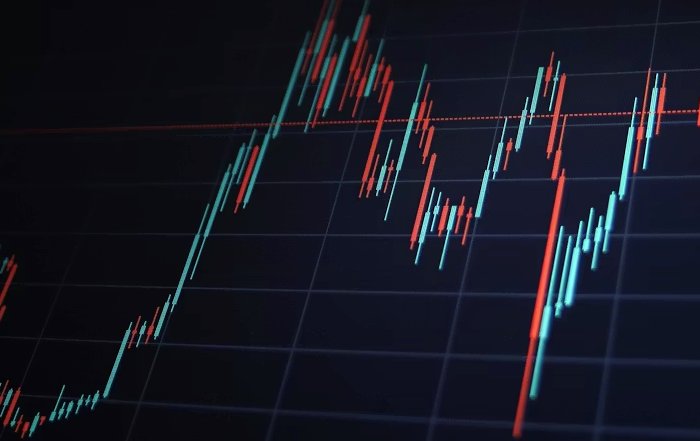
Global Stock Market Volatility and Investor Psychology
Introduction: Volatility as the New Global Baseline
Gosh, global stock markets have transitioned from episodic turbulence to a more persistent state of volatility, shaped by rapid technological change, shifting monetary regimes, geopolitical realignments, some really stupid war politics and accelerating climate and energy transitions. For investors across North America, Europe, Asia, Africa and South America, the question is no longer whether volatility will return, but how to operate effectively in an environment where sharp price swings and frequent narrative shifts are the norm rather than the exception. On TradeProfession.com, where professionals follow developments in Artificial Intelligence, Banking, Business, Crypto, the Economy, Employment, Innovation, Investment, the Stock Exchange and more, this new landscape is not an abstraction; it directly informs capital allocation decisions, risk frameworks, and career strategies in finance and adjacent industries.
In this environment, understanding market mechanics alone is insufficient. Investor psychology has become a primary driver of market outcomes, influencing everything from intraday liquidity to multi-year valuation cycles. Behavioral biases, social amplification of sentiment, and the growing influence of algorithmic and AI-driven trading systems interact in complex ways with macroeconomic data and policy signals. As global investors look to resources such as TradeProfession's coverage of global economic dynamics and stock market developments, they increasingly recognize that sustainable performance depends on integrating psychological insight with rigorous financial and macro analysis.
The Structural Drivers of Volatility
The current phase of global stock market volatility is not merely a cyclical phenomenon tied to a single crisis or policy event; it is rooted in structural transformations. Central banks in the United States, United Kingdom, euro area, Canada, Australia and several emerging markets have shifted from a decade of ultra-low interest rates and quantitative easing to a regime characterized by higher and more variable policy rates, balance sheet normalization, and heightened sensitivity to inflation data. The Federal Reserve, European Central Bank, Bank of England and other major institutions now communicate under the assumption that supply shocks, geopolitical fragmentation, and energy transition dynamics may keep inflation more volatile than in the pre-2020 era, and investors respond to each policy speech and data release with outsized moves in equity valuations.
Institutional investors and corporate leaders follow developments through sources such as the Bank for International Settlements, which has documented the interplay between tighter financial conditions and market liquidity, while global investors monitor macro and policy trends via platforms like the International Monetary Fund and World Bank. These structural policy shifts intersect with technological disruption, particularly in Technology and Artificial Intelligence, where companies in the United States, Europe and Asia are repricing rapidly as new AI capabilities alter competitive moats and business models. Readers of TradeProfession's technology and artificial intelligence coverage see how these shifts feed directly into sector-level volatility, as markets constantly reassess which firms will capture value and which will be displaced.
Geopolitical tensions, including trade realignments between the United States, China, the European Union and key Asian economies, as well as conflicts affecting energy and commodity supply chains, add another layer of uncertainty. Market participants rely on institutions such as the World Trade Organization and OECD to track changing trade patterns and regulatory frameworks, but the speed of political developments often outpaces formal analysis, leaving sentiment to fill the gaps. For investors in London, Frankfurt, New York, Singapore, Tokyo and beyond, this combination of monetary, technological and geopolitical uncertainty creates a baseline of volatility that is unlikely to recede in the near term.
Behavioral Finance: The Lens for Understanding Market Swings
Against this backdrop, behavioral finance has become indispensable for interpreting market moves that cannot be fully explained by fundamentals alone. Decades of research from institutions such as the Chicago Booth School of Business and London School of Economics have shown that investors are systematically prone to biases including overconfidence, loss aversion, herding, and recency bias. In 2026, these biases are amplified by real-time information flows, social media, and digital trading platforms that compress decision cycles and magnify emotional responses to news.
Overconfidence remains pervasive, particularly among retail traders and some professional investors who extrapolate recent performance in technology, crypto, or regional markets into unrealistic expectations for future returns. This can be observed in the rapid inflows into thematic funds and speculative growth stocks following brief rallies, even when macro conditions remain fragile. At the same time, loss aversion leads many investors to hold onto underperforming positions in legacy sectors or regional markets, hoping to avoid realizing losses, which distorts portfolio rebalancing and slows adaptation to structural change. Academic resources such as the CFA Institute provide frameworks for recognizing and mitigating these biases, yet they remain deeply embedded in day-to-day market behavior.
For the professional audience of TradeProfession, which includes executives, founders, portfolio managers, and senior analysts, incorporating behavioral insights into investment processes has become a competitive necessity. When combined with the site's focus on investment strategy and global business trends, behavioral finance offers a way to interpret volatility not as noise, but as a reflection of collective human responses to uncertainty and change.
Digital Trading, Social Media, and Sentiment Amplification
The digitization of trading infrastructure has transformed how volatility propagates through global markets. Commission-free trading platforms, fractional share ownership, and mobile-first brokerage apps have dramatically lowered barriers to participation for retail investors in the United States, United Kingdom, Europe, and increasingly in Asia and Latin America. While this democratization of access has clear benefits, it has also increased the speed and intensity with which sentiment shifts translate into price movements, as seen in previous episodes involving meme stocks and coordinated retail activity.
Social media platforms and online forums act as real-time sentiment engines, where narratives around particular stocks, sectors, or macro themes can gain traction in hours and influence trading behavior worldwide. Investors may track aggregated sentiment through tools and data providers, but the underlying dynamic remains psychologically driven, with fear of missing out and fear of loss alternating rapidly. Research by organizations such as the Pew Research Center and Harvard Business School has highlighted how digital environments can intensify emotional reactions, especially when financial gains or losses are at stake.
Professional investors and corporate executives who follow TradeProfession's news and market coverage are increasingly building structured processes for monitoring online sentiment, both to identify potential risks and to detect early signals of emerging themes. Yet, they are also aware that such data must be interpreted cautiously, as it often reflects short-term emotional swings rather than durable fundamental shifts. The challenge lies in distinguishing narrative-driven volatility from information-driven repricing, a task that requires both quantitative tools and qualitative judgment.
Algorithmic and AI-Driven Trading: Psychology by Proxy
As Artificial Intelligence and advanced quantitative models play a larger role in trading, some observers have assumed that markets would become more rational and less susceptible to human biases. The reality in 2026 is more nuanced. Algorithmic and AI-driven strategies, including high-frequency trading, statistical arbitrage, and machine learning-based portfolio construction, now account for a significant portion of daily trading volume in major markets such as the United States, Europe and parts of Asia. These systems may not experience emotions, but they are designed, trained and calibrated by humans, often using historical data that embeds past behavioral patterns.
When algorithms are optimized to react to certain technical signals, order book dynamics or news sentiment metrics, they may inadvertently amplify human-driven volatility. For example, models that respond to rapid price declines with further selling can exacerbate short-term drawdowns, while those that chase momentum may intensify rallies in hot sectors such as AI, green energy or digital assets. Regulatory bodies like the U.S. Securities and Exchange Commission and the European Securities and Markets Authority have been examining the implications of automated trading for market stability, but the integration of AI into trading will likely continue to evolve faster than regulation.
For the community at TradeProfession, where readers track innovation and banking and capital markets, the key insight is that AI does not remove psychology from markets; it refracts it through code. Understanding how models are constructed, what data they rely on, and how they respond to stress conditions becomes part of the broader discipline of managing volatility and risk in a technologically intermediated market.
Crypto Markets as a Volatility Laboratory
Digital asset and crypto markets have functioned as an extreme laboratory for investor psychology and volatility over the past decade, and by 2026 they remain a high-beta segment of the global financial system. Although regulatory oversight has increased in the United States, United Kingdom, European Union, Singapore and other jurisdictions, and institutional participation has grown, crypto assets still exhibit sharp price swings driven by sentiment, regulatory headlines, technological developments, and speculative flows. For many investors, this space has provided both painful lessons and valuable insights into how narratives and community dynamics can move markets.
Analysts and professionals visiting TradeProfession's crypto coverage observe recurring behavioral patterns: euphoric buying during rapid uptrends, capitulation during drawdowns, and cycles of disillusionment followed by renewed optimism around new protocols, token models or blockchain applications. Regulatory resources from bodies such as the Financial Stability Board and national authorities like the Monetary Authority of Singapore highlight systemic risk considerations, but at the micro level, crypto remains heavily influenced by investor psychology, social media narratives, and the interplay between retail and institutional actors.
This environment has pushed sophisticated market participants to develop more robust frameworks for position sizing, risk management, and scenario analysis, many of which are now being applied to traditional asset classes as well. For global investors, the crypto experience underscores the importance of disciplined processes in the face of extreme volatility and the need to blend technological understanding with behavioral awareness.
Regional Perspectives: How Psychology Differs Across Markets
Although global markets are increasingly interconnected, investor psychology and market responses to volatility differ meaningfully across regions. In the United States, decades of equity culture, deep capital markets, and a strong focus on growth and innovation shape a relatively high tolerance for volatility, particularly in technology and growth sectors. In contrast, in parts of Europe such as Germany, France and the Netherlands, a stronger tradition of bank financing, a greater emphasis on capital preservation, and regulatory frameworks that prioritize prudence can lead to different reactions to market stress, with investors often favoring defensive sectors and dividend-paying companies.
In Asia, variations are equally pronounced. Japanese investors, influenced by the legacy of the asset price bubble and long periods of low growth and deflation, may display more cautious behavior, while investors in markets like South Korea and China often exhibit high risk appetite in specific sectors, especially technology and export-oriented industries, though this is tempered by policy and regulatory considerations. In emerging markets such as Brazil, South Africa, Thailand and Malaysia, currency risk, inflation volatility and political uncertainty add layers of complexity that shape local investor psychology, often leading to sharper reactions to global shocks.
International organizations like the World Economic Forum and UNCTAD provide comparative insights into how structural factors such as demographics, institutional quality and financial development influence market behavior. For the globally oriented audience of TradeProfession, which follows developments from North America to Europe, Asia, Africa and South America, understanding these regional nuances is essential for interpreting volatility patterns and for designing portfolios that reflect not only economic fundamentals but also behavioral and institutional contexts.
Corporate Leadership, Communication, and Market Trust
Volatility is not only a function of investor behavior; it is also shaped by how corporate leaders and policymakers communicate during periods of uncertainty. In an era where earnings calls, executive interviews and policy press conferences are instantly dissected by both humans and AI-driven sentiment analysis tools, the clarity, consistency and credibility of messages from CEOs, CFOs, central bankers and regulators have a direct impact on market stability. Miscommunication or perceived opacity can trigger outsized reactions, while transparent and timely guidance can anchor expectations and reduce unnecessary turbulence.
Executives and board members who engage with TradeProfession's executive leadership and founders-focused content increasingly recognize that capital markets now evaluate not only financial performance but also communication quality and governance standards. Organizations such as the Institute of Directors and Business Roundtable emphasize the importance of stakeholder-oriented leadership and robust disclosure practices, which contribute to trust and can moderate volatility, particularly in times of stress.
Trustworthiness, in this context, is not a vague aspiration but a measurable asset. Companies with a track record of meeting or prudently managing expectations, providing realistic forward guidance, and acknowledging risks openly often experience less severe drawdowns during market corrections and recover more quickly. For investors, integrating assessments of leadership quality and communication practices into their analysis is an increasingly important part of managing psychological and financial risk.
Education, Professional Development, and Psychological Preparedness
The professional audience of TradeProfession understands that managing volatility is not solely a technical skill; it is also a psychological discipline that must be developed over time. Formal education programs, professional certifications and continuous learning initiatives now place greater emphasis on behavioral finance, decision-making under uncertainty, and emotional resilience. Leading institutions and platforms, including MIT Sloan, INSEAD and specialized industry programs, offer courses that integrate finance, psychology and data science, reflecting the multifaceted nature of modern markets.
Within this ecosystem, TradeProfession's education-focused content and broader business insights support practitioners who seek to strengthen both their analytical and psychological capabilities. As careers in finance, investment management, trading, and corporate strategy evolve, employers increasingly value professionals who can remain composed under pressure, recognize their own biases, and apply structured decision frameworks in volatile conditions. Research from organizations like the American Psychological Association highlights the role of stress management and cognitive strategies in sustaining high performance, which is directly relevant to those whose decisions move capital and influence markets.
This emphasis on psychological preparedness also extends to career planning and job market dynamics, as reflected in TradeProfession's coverage of employment and jobs. Professionals who can navigate volatility with discipline and clarity are more likely to advance into leadership roles, manage larger portfolios, and guide organizations through turbulent periods, reinforcing the link between individual psychology and systemic stability.
Sustainable Finance, Long-Term Thinking, and Volatility
Another critical dimension of investor psychology in 2026 is the tension between short-term market swings and long-term structural themes, particularly in sustainable finance and climate-related investments. Environmental, social and governance (ESG) considerations, once viewed as niche, are now integrated into mainstream investment processes across major markets, although the degree and methodology vary. Institutions such as the UN Principles for Responsible Investment and Task Force on Climate-related Financial Disclosures have contributed to a more standardized approach to assessing sustainability risks and opportunities, yet investor sentiment around ESG and climate themes can still be highly volatile, influenced by policy shifts, technological breakthroughs, and public discourse.
For readers of TradeProfession who follow sustainable business and investment, this area illustrates the importance of maintaining a long-term perspective amid short-term noise. Learn more about sustainable business practices through resources that emphasize how climate risk, resource constraints, and regulatory trajectories will shape cash flows, asset values and competitive positioning over decades rather than quarters. Investors who can anchor their decisions in robust long-term theses, while accepting interim volatility, are better positioned to capture value from the energy transition, green infrastructure, and climate adaptation initiatives.
At the same time, the psychology of sustainability investing must contend with periods of backlash or skepticism, as seen when certain ESG strategies underperform or when political narratives challenge the legitimacy of sustainability frameworks. Navigating these cycles requires a disciplined approach to evidence, transparent communication with stakeholders, and a clear articulation of time horizons, all of which align with TradeProfession's commitment to experience, expertise, authoritativeness and trustworthiness.
Practical Implications for Investors and Organizations
In this environment of persistent volatility and heightened psychological influence, investors and organizations must adapt their strategies and operating models. For asset managers and institutional investors, this includes building portfolios that are resilient across scenarios, incorporating stress testing and scenario analysis that explicitly consider behavioral dynamics such as liquidity dry-ups, crowded trades and sentiment reversals. It also involves integrating data from macroeconomic sources, such as the Bureau of Economic Analysis or Eurostat, with qualitative assessments of policy direction, technological disruption and social sentiment.
For corporate leaders and boards, practical implications include designing investor relations strategies that emphasize transparency, consistency and credible long-term narratives, as well as aligning internal incentive structures with sustainable value creation rather than short-term stock price movements. Organizations that cultivate a culture of thoughtful risk-taking, psychological safety and disciplined decision-making are more likely to navigate volatility successfully, both in capital markets and in strategic execution.
Professionals at all levels, from analysts and portfolio managers to executives and founders, benefit from deliberate development of psychological skills: recognizing cognitive biases, establishing pre-commitment mechanisms for investment and strategic decisions, and using checklists and decision logs to reduce impulsive reactions. These practices, supported by educational resources and communities such as those fostered by TradeProfession, create an environment where volatility is approached as a manageable feature of markets rather than an existential threat.
Conclusion: Building a More Psychologically Informed Market Culture
Global stock market volatility is unlikely to diminish in the foreseeable future. Structural factors-including evolving monetary regimes, rapid technological change, geopolitical realignment, and the climate and energy transition-will continue to produce frequent and sometimes abrupt shifts in valuations and risk perceptions. The critical differentiator for investors, organizations and professionals will be their ability to integrate a deep understanding of investor psychology with rigorous financial, economic and technological analysis.
For the audience of TradeProfession.com, spanning regions from the United States and United Kingdom to Germany, Canada, Australia, France, Italy, Spain, the Netherlands, Switzerland, China, Sweden, Norway, Singapore, Denmark, South Korea, Japan, Thailand, Finland, South Africa, Brazil, Malaysia and New Zealand, this means approaching volatility not as a temporary anomaly but as a core design constraint in strategy, investment, and career development. By drawing on high-quality external resources, internal expertise, and the platform's own coverage across domains such as business, economy, investment, stock exchange, technology and more, market participants can cultivate the experience, expertise, authoritativeness and trustworthiness required to thrive.
Ultimately, a more psychologically informed market culture-one that acknowledges human limitations, leverages technology responsibly, and prioritizes transparency and long-term thinking-offers the best path forward. In such a culture, volatility remains a challenge, but it also becomes a source of opportunity for those prepared to understand and navigate the complex interplay between markets and the minds that move them.
