
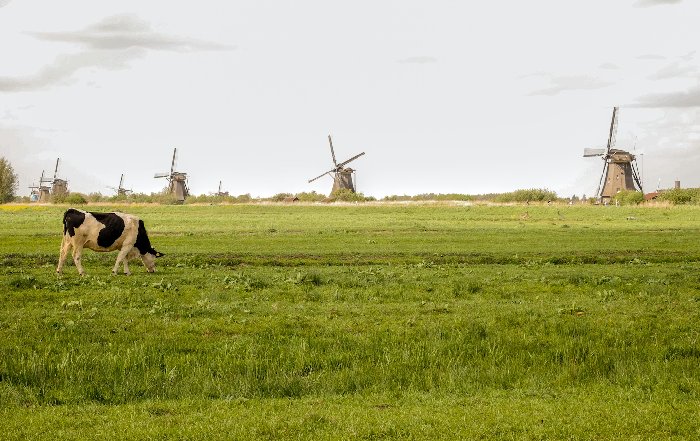
The Dutch Economy and Sustainable Agriculture
The Strategic Role of Agriculture in the Dutch Economy
The Dutch economy continues to occupy a position of outsized influence in global trade relative to the country's modest geographic footprint, and nowhere is this more visible than in its agricultural sector, which has become both an engine of export-led growth and a laboratory for sustainable innovation. Despite having a land area smaller than many individual U.S. states, the Netherlands consistently ranks among the world's leading exporters of agricultural products, with Wageningen University & Research, Rabobank, and a dense ecosystem of agri-tech firms, cooperatives, and logistics providers underpinning a model that many governments now study as they seek to reconcile economic competitiveness with environmental responsibility. For the business-focused readership of TradeProfession.com, the Dutch experience offers a highly relevant case study in how sustainability, technology, and trade policy can be orchestrated into a coherent economic strategy that aligns with the structural shifts reshaping global markets.
The Dutch agricultural complex, centered around the ports of Rotterdam and Amsterdam and supported by advanced logistics infrastructure, has become deeply integrated into the wider European and global economy. Through the Port of Rotterdam, one of the world's largest maritime gateways, Dutch producers and traders connect European supply chains with North America, Asia, and Africa, helping position the Netherlands as a critical node in international food security. At the same time, the country's policy framework has pivoted from volume-based growth to value-based, sustainable growth, as reflected in its alignment with the European Green Deal and the Farm to Fork Strategy, both of which aim to reorient European agriculture toward lower emissions, reduced chemical inputs, and greater resilience. For executives and investors monitoring shifts in global economic trends, the Dutch transition illustrates how a mature, high-income economy can leverage sustainability not as a regulatory burden but as a competitive differentiator in global markets.
Historical Foundations: From Land Reclamation to High-Tech Horticulture
To understand why sustainable agriculture carries such strategic economic weight in the Netherlands, it is essential to appreciate the country's historical relationship with land and water management. For centuries, Dutch engineers and farmers have reclaimed land from the sea through polders, dikes, and sophisticated drainage systems, embedding a culture of long-term planning, collective action, and technological pragmatism. Organizations such as Rijkswaterstaat, the national public works authority, and water boards that date back to medieval times established institutional precedents for shared governance of natural resources, which now inform the governance of soil, water, and biodiversity in modern agriculture. This tradition of "living with water" has evolved into a broader ethos of "living within planetary boundaries," making the Netherlands particularly receptive to sustainability as a strategic imperative rather than a passing trend.
During the second half of the twentieth century, Dutch agriculture underwent a rapid modernization process, driven by post-war reconstruction, the formation of the European Economic Community, and the rise of export-oriented horticulture. Greenhouse clusters in regions such as Westland transformed into some of the most productive agricultural areas in the world, with glasshouses using precision climate control, advanced lighting, and hydroponic systems to grow vegetables and flowers at scale. According to analyses by organizations such as the Food and Agriculture Organization of the United Nations (FAO), the Netherlands achieved some of the highest yields per hectare globally, while simultaneously reducing inputs such as water and pesticides through integrated pest management and controlled-environment agriculture. Businesses seeking to learn more about innovation-driven business models often look to this period as the foundation upon which the contemporary Dutch agri-tech cluster was built.
Sustainable Agriculture as Economic Strategy
By the early 2020s, the Dutch government and leading institutions recognized that the traditional model of intensive agriculture, though highly productive, faced mounting environmental constraints, including nitrogen emissions, biodiversity loss, and soil degradation. Rather than treating sustainability as a purely regulatory or reputational issue, policymakers reframed it as an economic transformation agenda, aligning with global frameworks such as the United Nations Sustainable Development Goals and climate commitments under the Paris Agreement. This shift was reinforced by European regulatory developments, including the EU Taxonomy for Sustainable Activities, which increasingly directs capital flows toward low-carbon and nature-positive business models, and by evolving consumer preferences in key export markets such as Germany, the United Kingdom, and Scandinavia, where demand for sustainably certified products continues to grow.
Within this context, sustainable agriculture has become a core pillar of the Dutch economic strategy, with ministries, regional authorities, and private-sector actors collaborating to accelerate innovation in areas such as circular farming, regenerative practices, and climate-smart technologies. Institutions like Wageningen University & Research have played a central role in providing science-based guidance, while financial institutions such as Rabobank have integrated sustainability metrics into credit assessment and investment frameworks, shaping how capital is allocated across value chains. For decision-makers tracking sustainable business practices, the Dutch case underscores how public policy, research excellence, and financial innovation can converge to reshape an entire sector's trajectory.
Technology, Data, and Artificial Intelligence in Dutch Farming
By 2026, the integration of digital technologies, data analytics, and artificial intelligence has become one of the most distinctive features of Dutch sustainable agriculture, enabling farmers and agribusinesses to optimize resource use and reduce environmental impact while maintaining profitability. Dutch greenhouses are now widely equipped with sensor networks, computer vision systems, and AI-driven climate-control algorithms that adjust lighting, irrigation, and nutrient supply in real time, significantly improving energy and water efficiency. Companies such as Philips and Signify have advanced LED lighting solutions tailored for horticulture, while agri-tech start-ups collaborate closely with research bodies like TNO and Wageningen to develop predictive models for crop health and yield forecasting. Executives interested in the broader implications of artificial intelligence for business and industry often look to these greenhouse ecosystems as leading examples of AI deployed at scale in physical production environments.
The use of satellite data, drones, and remote sensing technologies has also become more widespread in open-field agriculture, where precision farming techniques allow Dutch farmers to apply fertilizers and crop protection products only where needed, in the right quantities and at the right times. Platforms that integrate data from the European Space Agency's Copernicus program with farm-level sensor data enable more accurate decision-making, reducing waste and emissions. Meanwhile, blockchain-based traceability solutions, informed by standards from organizations such as GS1 and guidance from initiatives like the World Economic Forum's food systems work, enhance supply chain transparency, allowing retailers and consumers in markets such as the United States, Germany, and the United Kingdom to verify sustainability claims. For readers following developments in technology and business transformation, these applications illustrate how digital infrastructure is now inseparable from the physical infrastructure of modern agriculture.
Finance, Banking, and Investment in Green Agri-Transformation
The financial sector has become a critical enabler of the Dutch shift toward sustainable agriculture, with banks, institutional investors, and impact funds integrating environmental, social, and governance (ESG) criteria into lending and investment decisions. Rabobank, historically one of the most influential agricultural banks in the world, has increasingly oriented its portfolio toward climate-smart and circular farming, offering preferential terms for farmers who adopt practices that reduce emissions, enhance soil health, or improve biodiversity. This evolution aligns with broader trends highlighted by the Bank for International Settlements and the European Central Bank, which have emphasized climate-related financial risks and the need for sustainable finance frameworks that can support the green transition. Professionals exploring developments in banking and finance can see in the Dutch experience how sectoral expertise and sustainability can be combined within a single financial institution's strategy.
On the investment side, Dutch pension funds and asset managers, among the largest institutional investors in Europe, have begun to allocate more capital to sustainable agriculture funds, green infrastructure, and nature-based solutions, often guided by principles from the Principles for Responsible Investment (PRI) and the Task Force on Climate-related Financial Disclosures (TCFD). Venture capital flows into agri-tech and food-tech start-ups, including those working on alternative proteins, precision fermentation, and waste valorization, have grown steadily, supported by both domestic and international investors. For global investors tracking opportunities in sustainable and innovation-driven sectors, the Netherlands offers a dense ecosystem where technology, research, and finance intersect, creating a favorable environment for scalable solutions that can be exported to other markets in Europe, North America, and Asia.
Trade, Global Markets, and Competitive Positioning
The Netherlands' advanced logistics infrastructure and trade expertise have long made it a gateway for agricultural products into Europe and beyond, and this role has only intensified as sustainability has become a central criterion in trade negotiations and corporate procurement strategies. Through the World Trade Organization (WTO) framework and bilateral agreements within the European Union's common commercial policy, Dutch exporters operate in a complex environment of tariffs, non-tariff barriers, and sustainability-related standards, which increasingly include carbon footprint disclosure, deforestation-free supply chains, and animal welfare requirements. The country's ability to meet and often exceed these standards has allowed it to maintain a strong competitive position in high-value segments such as fresh vegetables, ornamental plants, dairy, and specialized food ingredients.
At the same time, Dutch agribusinesses have expanded their presence in growth markets across Asia, Africa, and Latin America, not only as exporters but also as providers of technology, knowledge, and integrated solutions. Organizations like Netherlands Enterprise Agency (RVO) and partnerships facilitated by the Dutch Ministry of Foreign Affairs support knowledge transfer and capacity building in countries such as Kenya, Vietnam, and Brazil, often in collaboration with international bodies like the World Bank and the International Fund for Agricultural Development (IFAD). For trade professionals examining global business dynamics, the Dutch model demonstrates how an economy can combine exports of physical products with exports of expertise, positioning itself as both a supplier and a strategic partner in the global transition to sustainable food systems.
Labor, Skills, and the Future of Agricultural Employment
The transformation of Dutch agriculture into a high-tech, sustainability-focused sector has had significant implications for employment, skills development, and workforce planning. Traditional labor-intensive roles are increasingly supplemented or replaced by positions that require digital literacy, data analysis capabilities, and technical proficiency in operating advanced machinery, robotics, and AI-enabled systems. This shift has prompted close collaboration between agricultural colleges, universities, and industry, with institutions such as Wageningen University & Research and various vocational schools designing curricula that integrate agronomy, data science, and sustainability. For readers tracking employment trends and the future of jobs, the Dutch agricultural sector offers a clear example of how digitalization and sustainability jointly reshape labor markets.
The Dutch government and industry associations have also focused on attracting international talent, recognizing that the demand for specialized skills in agri-tech, biotechnology, and sustainable supply chain management often exceeds domestic supply. Policies that facilitate skilled migration, combined with English-language programs and strong research infrastructures, have made the Netherlands an attractive destination for professionals from Europe, Asia, and North America. At the same time, worker protections and social dialogue, rooted in the Dutch "polder model" of consensus-based decision-making, aim to ensure that the benefits of innovation are broadly shared. Business leaders considering global hiring and skills strategies can draw lessons from how Dutch stakeholders manage the balance between technological disruption and social cohesion.
Regulatory Pressures, Nitrogen Policy, and Social Tensions
Despite its successes, the Dutch journey toward sustainable agriculture has not been without controversy or economic friction, particularly in relation to nitrogen emissions and land-use policy. Court rulings and scientific assessments in the late 2010s and early 2020s highlighted the extent to which intensive livestock farming contributed to nitrogen deposition that threatened protected natural areas, leading the government to propose measures that included buyouts, relocation, or transformation of farms. These proposals triggered protests from segments of the farming community, who argued that the pace and design of the transition risked undermining their livelihoods and eroding rural communities. The resulting political debates, covered extensively by outlets such as BBC News and Financial Times, underscored the complexity of reconciling environmental objectives with economic and social realities.
In response, policymakers have increasingly embraced more nuanced approaches that combine regulatory pressure with financial incentives, technical support, and long-term transition pathways. Programs co-financed by the European Union's Common Agricultural Policy (CAP) have been reoriented toward eco-schemes and agri-environmental measures, while national funds support innovation, land consolidation, and diversification of rural economies. For business strategists and executives following policy developments and economic news, the Dutch nitrogen debate serves as a reminder that even in highly organized and technologically advanced economies, sustainability transitions can generate political risk and require careful stakeholder management.
Innovation, Founders, and the Dutch Agri-Tech Ecosystem
A defining characteristic of the Dutch sustainable agriculture landscape is the density and dynamism of its innovation ecosystem, where start-ups, scale-ups, corporates, and research institutions collaborate in clusters that span food technology, robotics, biotech, and circular economy solutions. Hubs such as Wageningen Campus, the Food Valley region, and innovation districts around Rotterdam and Amsterdam host companies working on vertical farming, alternative proteins, precision fermentation, and digital farm management platforms. Founders often emerge from academic environments or corporate R&D labs, bringing deep technical expertise and a strong orientation toward impact, and they benefit from access to accelerators, incubators, and venture funds that specialize in agri-food innovation. For entrepreneurs and executives interested in business building and innovation, the Dutch ecosystem illustrates how proximity between research excellence and commercial ambition can accelerate the development of globally relevant solutions.
International corporates, including major food and beverage companies, have established R&D centers and partnerships in the Netherlands to tap into this innovation network, often collaborating with Wageningen University & Research, TU Delft, and Eindhoven University of Technology. This concentration of capabilities has allowed the Netherlands to play a leading role in areas such as plant-based proteins, with companies and research consortia contributing to the global expansion of meat and dairy alternatives. Reports from organizations like the OECD and the World Resources Institute have highlighted the importance of such innovation in meeting global climate and food security goals, and the Dutch are positioned as key contributors to these efforts. For founders and executives exploring leadership, strategy, and innovation in food systems, the Dutch experience provides a roadmap for building companies that are both commercially competitive and aligned with long-term sustainability objectives.
Implications for Global Business, Markets, and Sustainability
For the international audience of TradeProfession.com, which spans sectors from finance and technology to education and executive leadership across regions including North America, Europe, Asia, and Africa, the Dutch model of sustainable agriculture carries several strategic implications. First, it demonstrates that sustainability can be integrated into the core of national and sectoral competitiveness, rather than treated as an add-on or compliance cost. By aligning research, finance, trade policy, and industrial strategy around sustainable agriculture, the Netherlands has created a coherent value proposition that resonates with global buyers, investors, and policymakers. Businesses seeking to learn more about sustainable business practices can draw on this example to design sectoral strategies in areas such as energy, manufacturing, and infrastructure, where similar dynamics are emerging.
Second, the Dutch experience underscores the central role of technology and data in enabling sustainability at scale, highlighting the importance of investment in digital infrastructure, AI, and advanced analytics. Organizations that integrate these capabilities into their operations and supply chains are better positioned to respond to regulatory changes, consumer demands, and climate-related risks. For leaders evaluating digital transformation strategies across industries, resources on technology and innovation for competitive advantage can help translate the lessons from Dutch agriculture into other contexts, from smart manufacturing in Germany to resource-efficient mining in South Africa or climate-resilient infrastructure in Southeast Asia.
Third, the Dutch case highlights the importance of robust governance, stakeholder engagement, and social dialogue in managing the tensions that inevitably arise during sustainability transitions. The nitrogen debate, the restructuring of livestock sectors, and the reshaping of rural economies illustrate that even technically sound policies can face resistance if they are not accompanied by credible support mechanisms and inclusive decision-making processes. Executives and policymakers can benefit from understanding how Dutch institutions have adapted, and continue to adapt, their approaches in response to public feedback and evolving scientific insights, a theme that intersects with broader discussions on executive leadership and complex change.
Outlook to 2030 and Beyond: The Netherlands as a Living Laboratory
Looking ahead to 2030 and beyond, the Netherlands is likely to remain a living laboratory for sustainable agriculture and circular economy practices, with implications that extend far beyond its borders. The country's commitments under European and international climate frameworks, combined with its economic reliance on trade and innovation, mean that it has strong incentives to continue pushing the boundaries of what is possible in low-emission, resource-efficient food production. Emerging areas such as carbon farming, biodiversity credits, and nature-based solutions may create new revenue streams for farmers and landowners, while regulatory developments at the EU level, including potential carbon border adjustment mechanisms, will further integrate sustainability into the economics of trade. For investors, executives, and policymakers following global economic and sustainability trends, the Netherlands will remain a critical reference point.
For TradeProfession.com and its global readership, the Dutch experience underscores the interconnectedness of agriculture, finance, technology, policy, and labor markets, illustrating how sector-specific transformations ripple through the wider economy. Whether readers are focused on innovation, investment, employment, or broader business strategy, the Dutch case offers a concrete example of how a country can leverage its historical strengths, institutional capacities, and entrepreneurial energy to build a more sustainable and competitive economic future. As the global community confronts the dual imperatives of feeding a growing population and respecting planetary boundaries, the Netherlands' evolving approach to sustainable agriculture will remain a source of insight, inspiration, and, for many, partnership opportunities in the decade ahead.
